

Basic Hair Dyes are cosmetic colourants used to enhance, refresh or create attractive shades on hair. They are available in a wide range of colours and can be used in different hair-colouring applications depending on the required shade and formulation.
Hair dye formulations may contain colourants, dye intermediates, alkalizing agents, oxidizing agents, conditioning ingredients, emulsifiers, solvents and other supporting ingredients.
Depending on the product type, hair colour systems may provide temporary, semi-permanent or permanent colour results.
Common Hair Colour Categories:
- Natural Black & Black Shades
- Brown & Dark Brown Shades
- Blonde & Light Blonde Shades
- Red & Copper Shades
- Mahogany & Burgundy Shades
- Fashion & Vibrant Shades
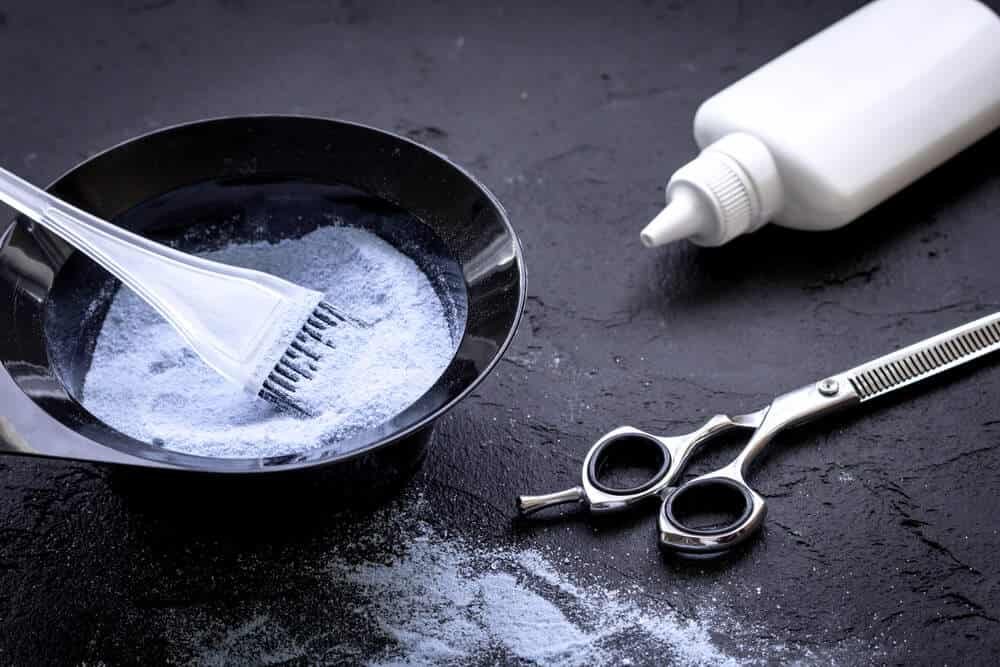
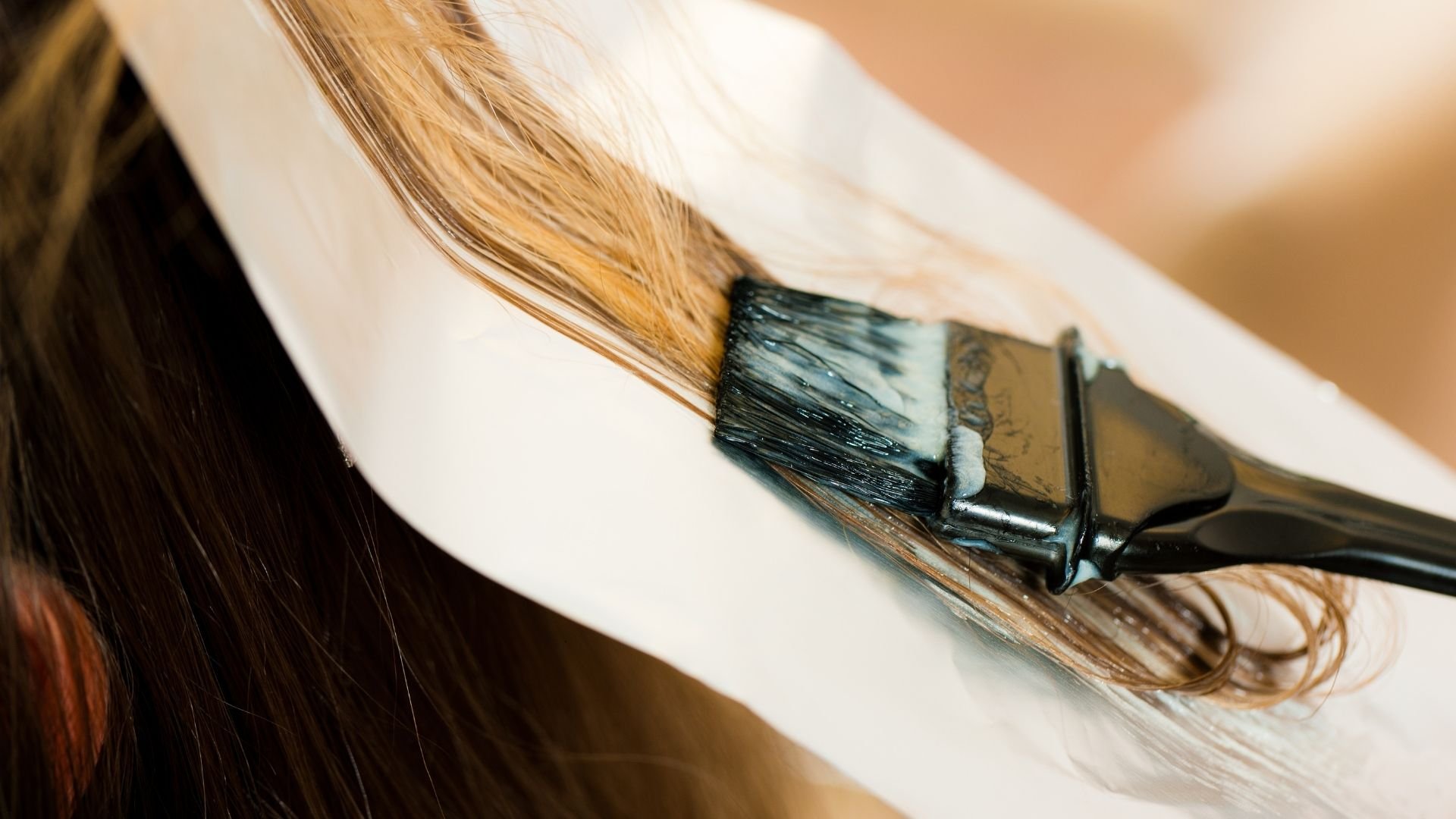
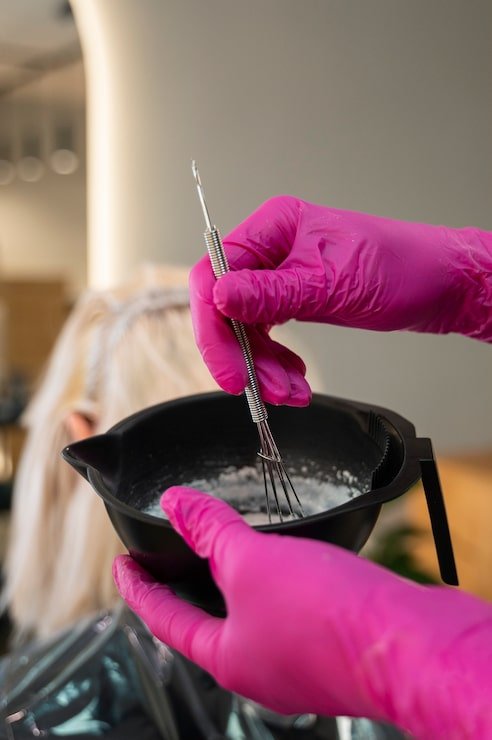
Our Basic Hair Dye range is developed for consistent colour performance and smooth application. Different shades can be formulated according to the required colour profile and intended cosmetic application.
Hair colour formulations are designed by considering factors such as shade development, formulation stability, application properties, hair compatibility and overall product quality.
Each product should be evaluated through appropriate quality-control procedures to maintain consistent appearance, colour performance, pH, viscosity and stability.
- Consistent Shade Performance
- Smooth & Easy Application
- Wide Range of Colour Options
- Suitable for Cosmetic Formulations
- Quality-Controlled Production
Hair dye works by depositing or developing colour on or within the hair depending on the type of colour system used.
In permanent hair-colour systems, the colour cream is generally combined with a developer before application. The developer commonly contains hydrogen peroxide, while alkalizing ingredients create suitable conditions for colour development.
The colour-forming ingredients undergo an oxidation process during development, resulting in the final shade.
1. Select the required shade.
2. Perform the recommended skin allergy test before use.
3. Mix the colour and developer according to the manufacturer's instructions.
4. Apply evenly to the hair.
5. Allow the recommended development time.
6. Rinse the hair thoroughly.
7. Apply the recommended post-colour conditioning treatment.
Hair dye formulations can contain different ingredients depending on the type of product, shade and desired performance.
Dye Intermediates / Colourants: Used to develop or provide the required hair colour.
Hydrogen Peroxide: Commonly used in developer systems for oxidation and colour development.
Alkalizing Agents: Help create the required formulation environment and support colour development.
Emulsifiers: Help create and maintain a stable cream formulation.
Conditioning Agents: Used to improve hair feel, smoothness and manageability.
Solvents & Water: Used as the formulation medium.
Preservatives & Fragrance: May be used where appropriate to support product stability and consumer experience.
Basic Hair Dyes are cosmetic colour products used to change, enhance or refresh the colour of hair. They are available in different shade families such as black, brown, blonde, red, copper, mahogany and vibrant colours.
Depending on the formulation, permanent hair-colour systems may use dye intermediates, hydrogen peroxide, alkalizing agents, emulsifiers, conditioning ingredients, solvents and other supporting ingredients.
Permanent hair-colour systems generally use an oxidative process. The colour formulation is mixed with a developer containing an oxidizing agent, commonly hydrogen peroxide, before application.
Hair colour ranges can include black, brown, blonde, red, copper, mahogany, burgundy and fashion shades such as blue, purple, pink, green and orange.
Hair dye should be used strictly according to the manufacturer's instructions. A recommended skin allergy test should be performed before use, followed by correct mixing, application, development time and thorough rinsing.
Depending on the product, quality evaluation may include appearance, pH, viscosity, colour performance, stability and appropriate microbiological or safety testing.